Exploring the Origins of Shilajit: A Powerful Mineral Resin
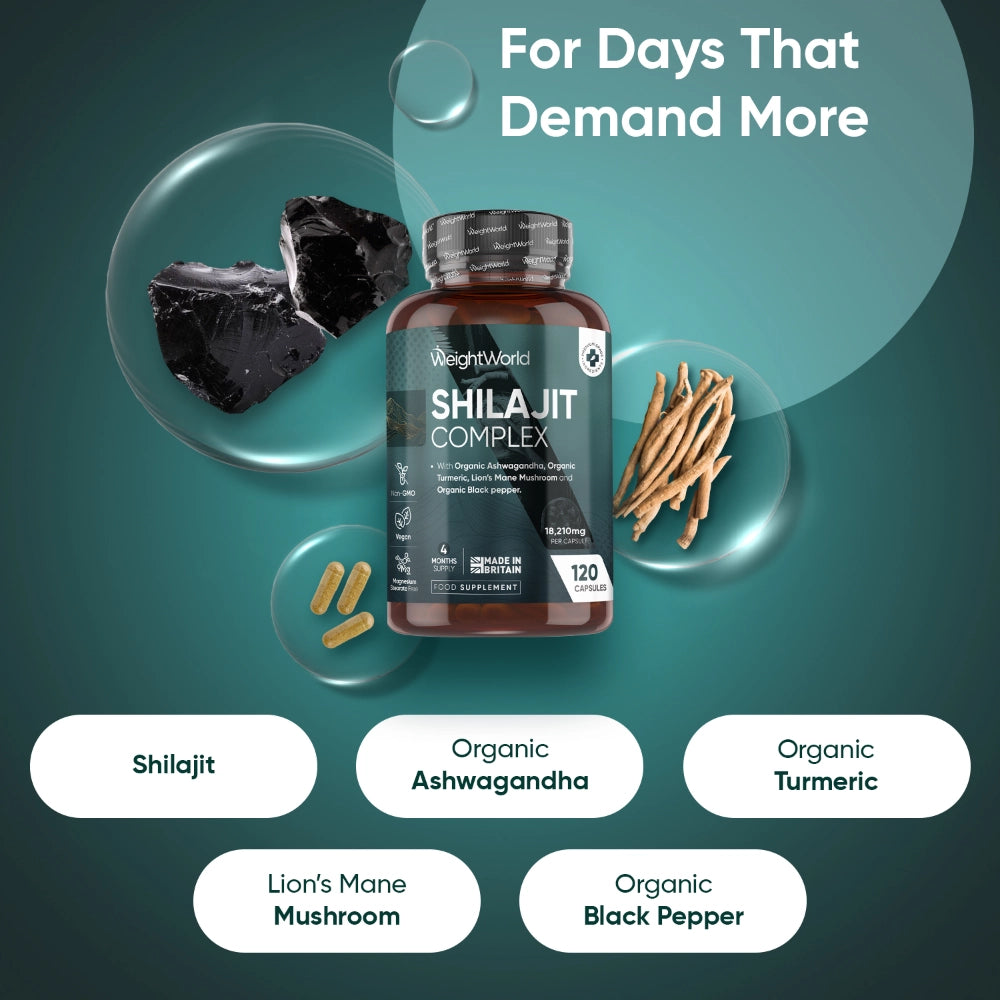
Shilajit, a dark, tar-like substance that oozes from the cracks of high-altitude rocks, has been revered for centuries across the Himalayas, Altai, and Caucasus ranges. Its complex composition, a blend of minerals, fulvic acid, and organic compounds, offers a unique profile that modern science is only beginning to decode. Understanding where shilajit originates, how it forms, and why it contains such a potent mix of nutrients provides valuable insight for anyone interested in natural health solutions.
Geological Foundations: How Shilajit Forms
The formation of shilajit is a slow, natural process that takes place over millennia. The prevailing scientific theory suggests the following steps:
- Plant Matter Accumulation: High-altitude vegetation, including mosses, lichens, and alpine herbs, dies and settles on rock surfaces.
- Microbial Decomposition: Specialized microorganisms break down the organic material, releasing humic substances.
- Compression and Mineral Integration: Over time, the compressed plant matter absorbs minerals from surrounding rocks, especially iron, calcium, and magnesium.
- Seepage and Oxidation: Seasonal temperature fluctuations cause the mixture to seep out of fissures, where it oxidizes and solidifies into the resinous form known as shilajit.
Key Environmental Conditions
Several environmental factors are critical for the optimal creation of shilajit:
- Altitude above 3,000 meters, where temperature swings are extreme.
- Presence of mineral-rich host rocks, such as limestone and shale.
- Abundant seasonal precipitation that drives the leaching process.
Historical Context: Traditional Uses Across Cultures
Ancient Ayurvedic texts reference shilajit as “the destroyer of weakness.” Its usage spans multiple cultures:
- Ayurveda (India): Employed as a rasayana (rejuvenator) to enhance vitality and support the immune system.
- Traditional Tibetan Medicine: Utilized for altitude adaptation and as a tonic for endurance.
- Russian Folk Medicine: Collected from the Altai Mountains for its purported anti-fatigue properties.
Modern Scientific Insights
Contemporary research has begun to validate many traditional claims. Studies indicate that the high concentration of fulvic acid in shilajit facilitates mineral transport across cell membranes, while its antioxidant profile combats oxidative stress.
Representative Findings
- Mineral Bioavailability: Shilajit delivers over 80 trace minerals in a chelated form, improving absorption compared with isolated mineral supplements.
- Energy Metabolism: In vitro experiments show enhanced mitochondrial ATP production, suggesting a role in sustained energy levels.
- Anti-Inflammatory Action: Animal models reveal reduced inflammatory markers after shilajit administration.
For those seeking a reliable source, reputable vendors provide laboratory-tested shilajit that meets stringent purity standards, ensuring the resin is free from heavy metals and contaminants.
Harvesting Practices: Sustainability and Quality Control
Harvesting shilajit responsibly is essential to preserve both the environment and the integrity of the product. Ethical practices include:
- Collecting only the exuded resin, leaving the underlying rock untouched.
- Seasonal harvesting that aligns with natural melt cycles to avoid over-extraction.
- Implementing third-party testing for heavy metals, microbial load, and fulvic acid concentration.
Quality Indicators to Watch
When evaluating shilajit, consider the following markers of high quality:
- Dark brown to black color with a glossy sheen.
- Solubility in warm water without residue.
- Laboratory certification confirming > 60% fulvic acid content.
Practical Applications: Incorporating Shilajit into Daily Routines
Given its potent composition, shilajit can be integrated into various wellness protocols. Below are common methods of consumption:
- Traditional Tea: Dissolve a pea-sized amount in hot water or herbal tea.
- Capsule Form: Convenient for those who prefer precise dosing.
- Blend with Smoothies: Mix into fruit or protein smoothies for an added mineral boost.
Regardless of the delivery method, starting with a low dose and gradually increasing is recommended to assess individual tolerance.
Conclusion: The Enduring Appeal of a Natural Mineral Resin
Shilajit’s origins lie in a remarkable convergence of geological forces, botanical decay, and microbial activity, resulting in a mineral-rich resin that has stood the test of time. Modern research continues to uncover its multifaceted benefits, while responsible sourcing ensures that this ancient treasure remains available for future generations. For those interested in exploring natural pathways to enhanced vitality, a well-sourced shilajit supplement offers a scientifically backed, historically revered option.

